The Salad Bar Metaphor for Autism
Because ‘spectrum’ is awfully confusing
One of the things that makes autism really tricky to understand and sometimes even recognize is that the possible presentations are so widely varied. The autistic community jokes that “When you’ve met one autistic … you’ve met one autistic,” as a way of reminding people not to generalize.
Yet at the same time, we autistics claim to understand the experience of autistic kids, often better than their neurotypical parents do. We insist we can recognize autism in ourselves — and sometimes in others — more accurately than most of the people with psychology degrees.
How can both of those things be true?
I’ve thought a lot about how to explain autism to an unfamiliar audience, and here’s the best metaphor I’ve come up with:
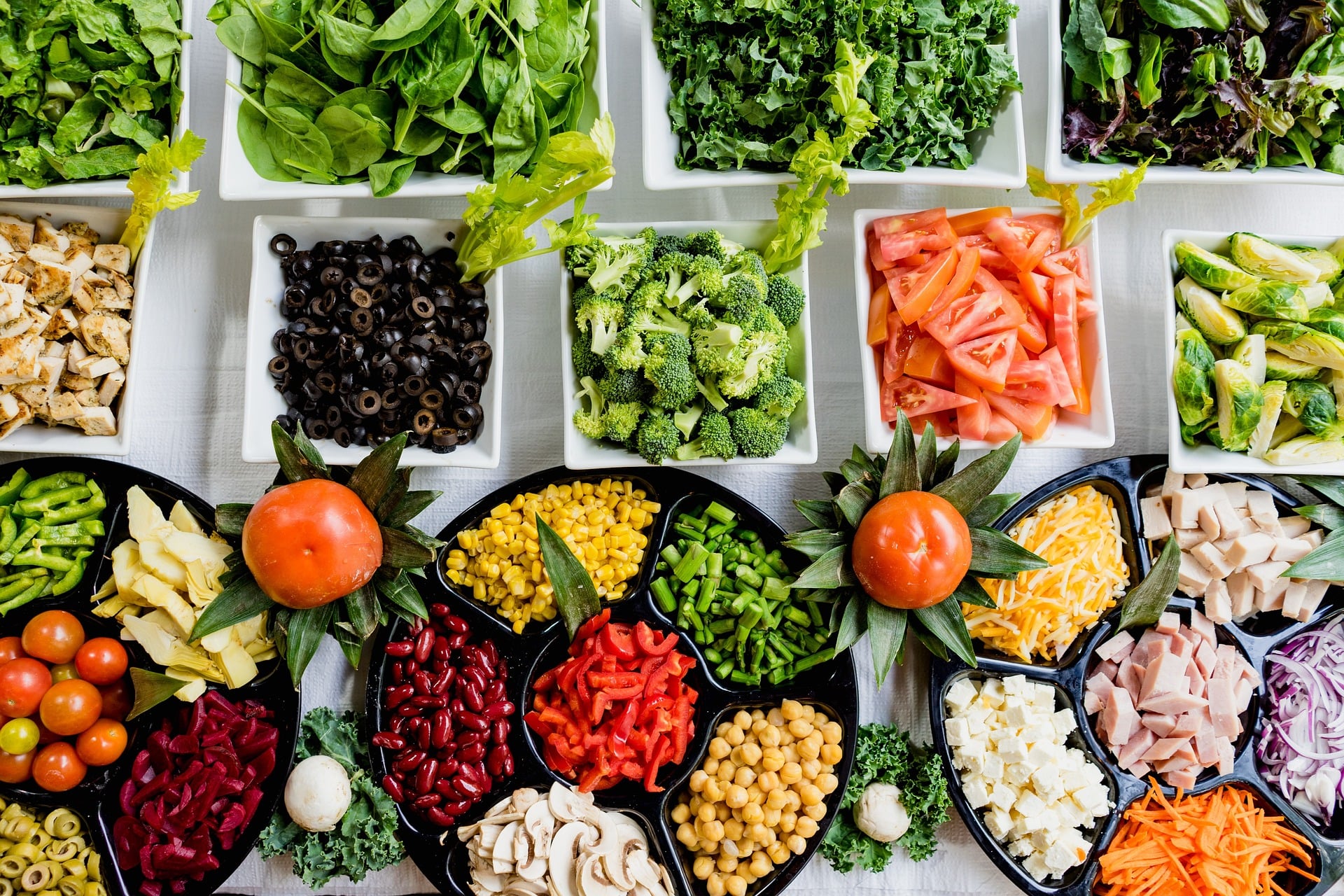
Imagine one of those ‘soup and salad bar’ restaurants, right? One with ten different kinds of soup, and many dozens of salad ingredients: raw vegetables, pickled vegetables, cubed meats and cheeses, sliced fruit, nuts and seeds and croutons, pasta salads and fruit salads and a whole section of dressings.
If you’re an autistic person, you grab a gigantic plate and head for the salad side. You work your way along the meters-long bar, selecting some ingredients and ignoring others. You keep piling things on until your salad mountain is in imminent danger of an avalanche.
You can imagine, in this situation, that the odds of two people ending up with identical salads are pretty tiny, even though the set of salad ingredients — autistic traits and co-occurring conditions — is finite. Each person chooses not just which of several dozen ingredients to add, but also the quantity of each, so the possible combinations are functionally almost infinite.
Now, not all traits have equal frequency, just like not all salad ingredients are equally popular. Sensory Processing Disorder, for example, seems to be the romaine lettuce of the Autism Salad Bar— it shows up in such an overwhelming majority of autistic profiles that it might as well be part of the definition. But most traits are somewhere in the middle, the way a random sampling of salads might be equally likely to contain cucumbers, or not.
By contrast, an allistic (non-autistic) person may grab a little six-inch side plate and throw on some carrot sticks or a bit of creamy pasta salad on their way to loading up on chicken noodle, broccoli cheese, and minestrone.
This is why autistics get frustrated when someone says, “But isn’t everybody a little bit autistic?”: a 40-ingredient salad mountain is a very different meal experience from three bowls of soup and also some carrot sticks on the side. Just because someone has a couple of autistic traits doesn’t mean their experience is in any way comparable to someone who has several dozen. Especially because a lot of times the flavors in a salad blend together (the traits interact with each other) and alter the overall taste.
Now let’s imagine the tureens at the soup bar represent things like “neurotypical social skills” and “executive functions”. Some autistic people bypass the soup altogether; others grab a little cup and get a taste — but in any case, autistics are pretty full up with their giant plate of salad. Soup is not a big part of our experience.
Is soup an inherently better meal than salad? Obviously not. But< being autistic in a world where all the rules and expectations are created by and for the allistic majority is like getting to the end of the salad bar and discovering the only available utensils are spoons.
You ever tried to eat salad with a spoon? You won’t get a lot farther than you would eating soup with a fork.
(In case it’s not clear, the problem in this scenario? Is not the salad.)
Spend enough time listening to diverse autistic voices, and you start to become pretty familiar with the array of salad bar options. At that point, it gets a lot easier to recognize a person whose plate was filled there. (I suspect it’s especially easy for many neurodivergent folk, because a lot of us top our salads with the Croutons of Exceptional Pattern Recognition.)
It’s also why so many autistic adults are online trying to educate neurotypical parents about autistic experience. Sure, maybe my salad has more mixed greens while your autistic kid’s plate is heavy on the sliced fruit, but our salads are fundamentally much more similar to each other than either is to soup.
And autistic adults all know something about how to locate and use a fork.